25 Years After 9/11: how the counterterrorism landscape has changed

Nicholas Rasmussen
The attacks of 11 September 2001 remain a defining moment of the modern era. More than two decades later, memories of where people were and how they learned of the attacks remain vivid. These shared recollections mark a generational turning point that reshaped perceptions of security, vulnerability and global interconnectedness.
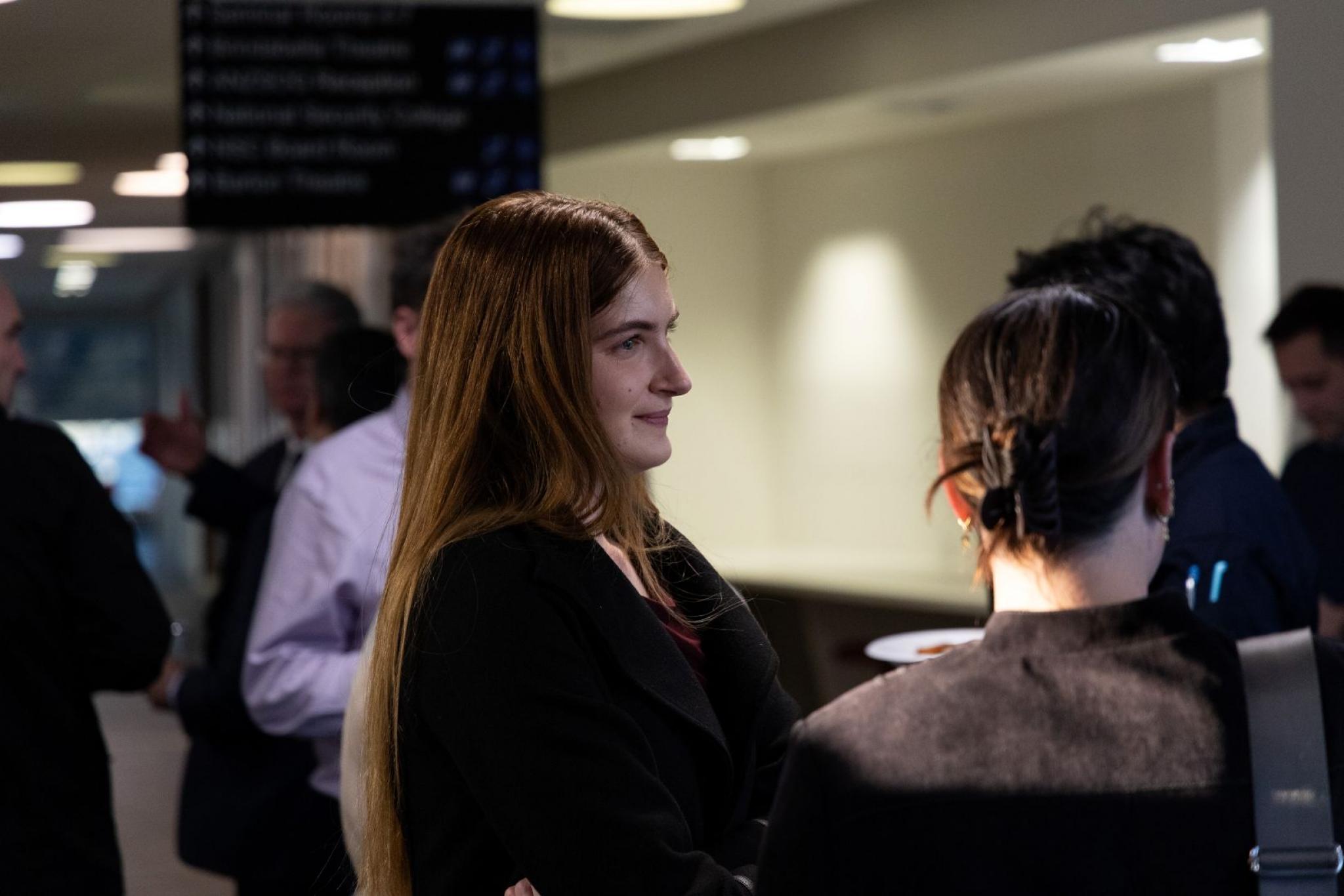
The ANU National Security College hosted Nicholas Rasmussen, former Director of the US National Counterterrorism Center, for a conversation on how the attacks transformed security, government and society, and the lessons that remain relevant today.
Facilitated by Professor Duncan Lewis AO, DSC, CSC, the discussion highlighted the enduring importance of trusted partnerships, resilient communities, institutional adaptation, and the ongoing balance between security, privacy and civil liberties.
Reflecting on the evolution of the terrorism threat landscape, it was noted that while the threat differs significantly from the immediate post-9/11 period, it is not necessarily more severe. Large, centrally directed terrorist organisations no longer pose the same scale of threat seen in the early 2000s.
Instead, governments face a more diverse and complex environment encompassing violent extremism, foreign interference, online radicalisation, misinformation, cyber threats and increasingly interconnected security challenges.
Reflecting on the enduring lessons of 9/11, Mr Rasmussen and Professor Lewis discussed the importance of trusted partnerships. The support provided to the United States by Australia, NATO allies and partners around the world reinforced that the attacks were not solely against the United States, but against the values and institutions shared by democratic nations worldwide.
The discussion also highlighted the need to move beyond a purely reactive approach to security. Preventing radicalisation cannot be achieved through law enforcement measures alone, but requires sustained partnerships across government, communities and institutions to build resilience and address the conditions that enable extremism to take root.
Twenty-five years later, the enduring question is not simply how democratic societies protect themselves from terrorism, but how they do so while preserving the rights, freedoms and values they seek to defend.