
'The risks of economic coercion are real': Minister King on Australia's critical minerals challenge
Jamie Kidston/ANU
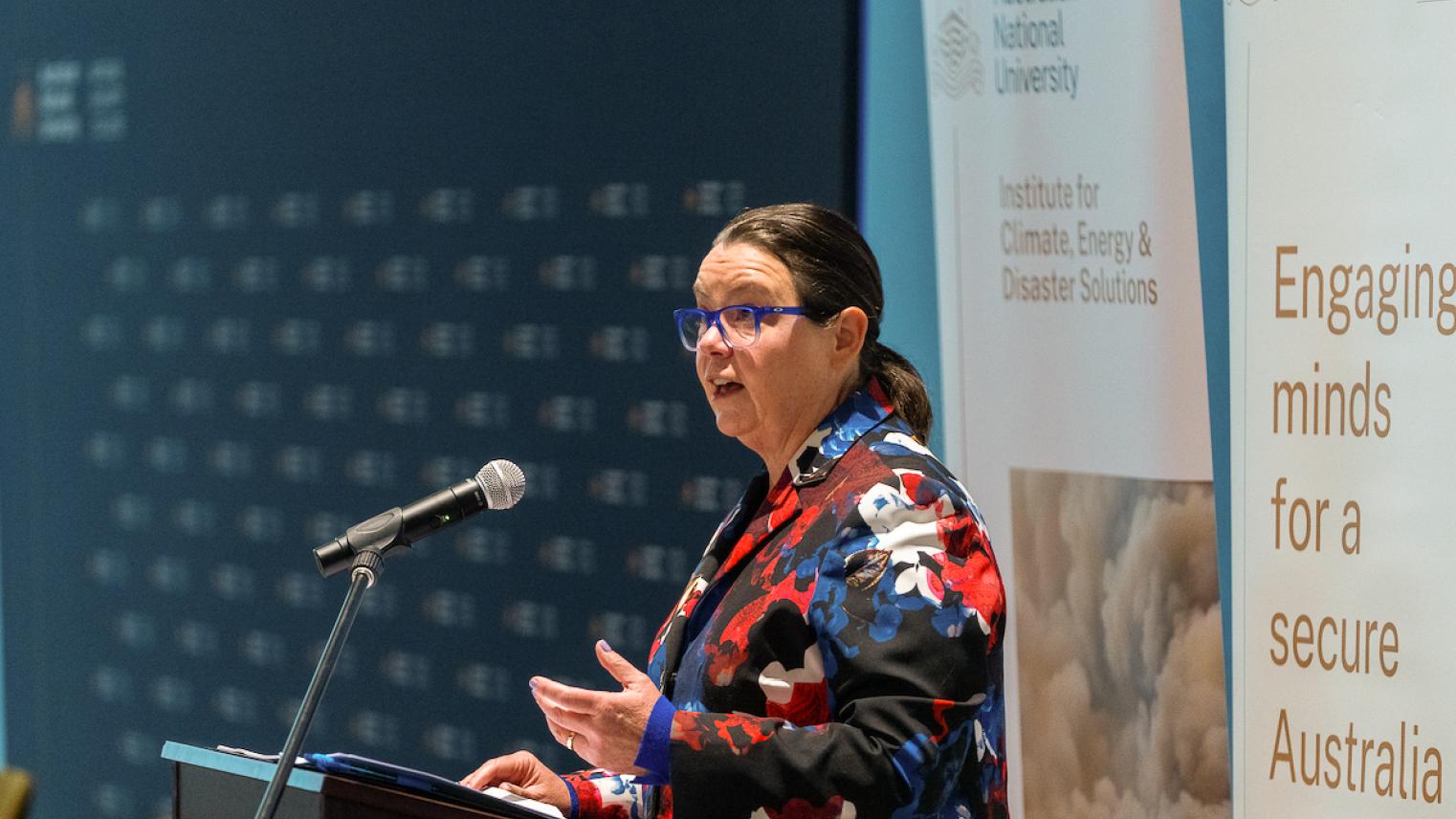
The Hon Madeleine King MP, Minister for Resources and Minister for Northern Australia, delivered an important address on 3 July 2026, at an event co-hosted by the ANU National Security College (NSC), the ANU Research School of Physics and the ANU Institute for Climate, Energy & Disaster Solutions (ICEDS).
The address made a direct case for treating critical minerals as a national security issue, with Minister King pointing to China’s dominance of global processing supply chains as a central challenge for Australia and its partners.
China, has for decades treated minerals processing as a strategically important industry and built that industry up to such an extraordinary scale that mid-stream and downstream supply chains are wholly concentrated in that one country.
The result has seen a strategically significant domination in global supply of rare earths,” Minister King said.
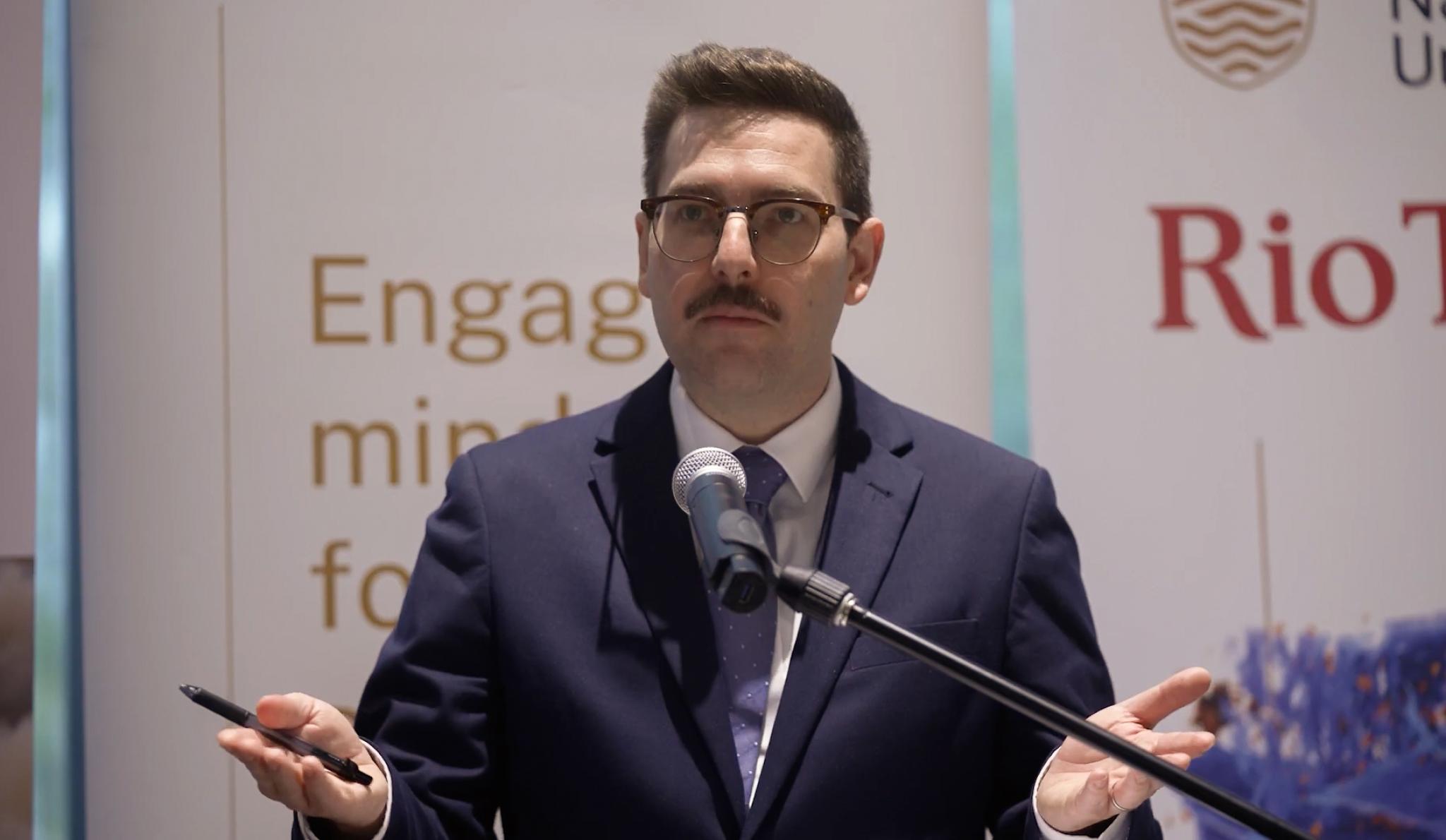
In his opening remarks, NSC Deputy Head of College James Pitman said Australia’s national security conversation now extends beyond borders, cyber and defence capability to the physical inputs that make modern security and a modern economy possible.
Geology alone isn’t a strategy – it has to be converted, through investment, partnership and trust, into sovereign resilience.
Minister King also highlighted the importance of building supply chain and economic resilience with like-minded partners like Japan, Canada, the United States and multilateral forums like the Quad and G7. She noted that Australia's recent experience leaves no room for complacency – export controls, restrictions and bans on critical minerals and rare earths have already demonstrated how concentrated supply can be weaponised.
The risks of economic coercion are real – Australia has experienced this directly.
We are already seeing how disruptions in critical minerals supply can flow through to manufacturing, energy systems and defence capability," she said.
That makes diversification not just an economic choice, but a strategic one – and one that Australia, she argued, is well positioned to lead.
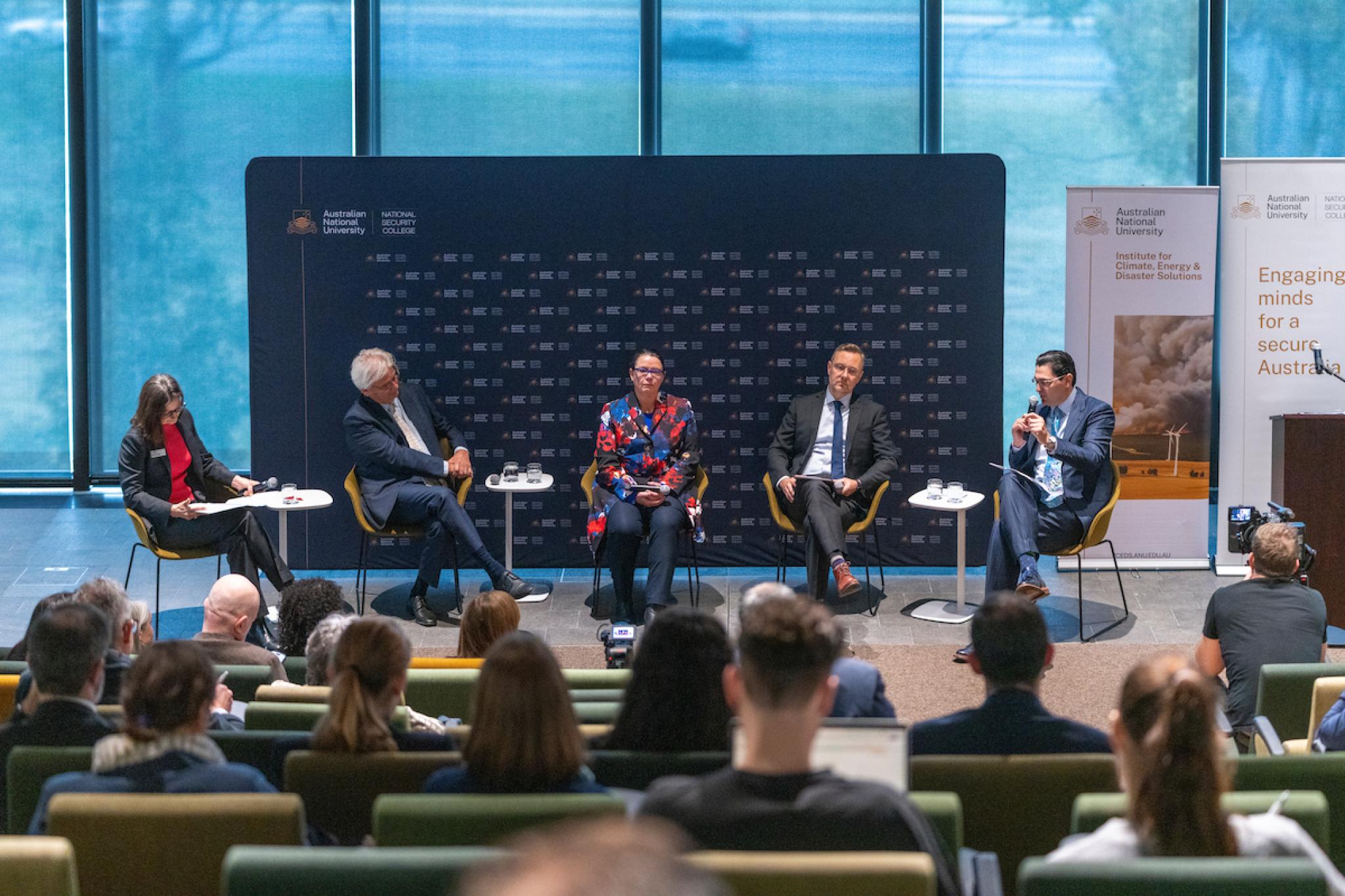
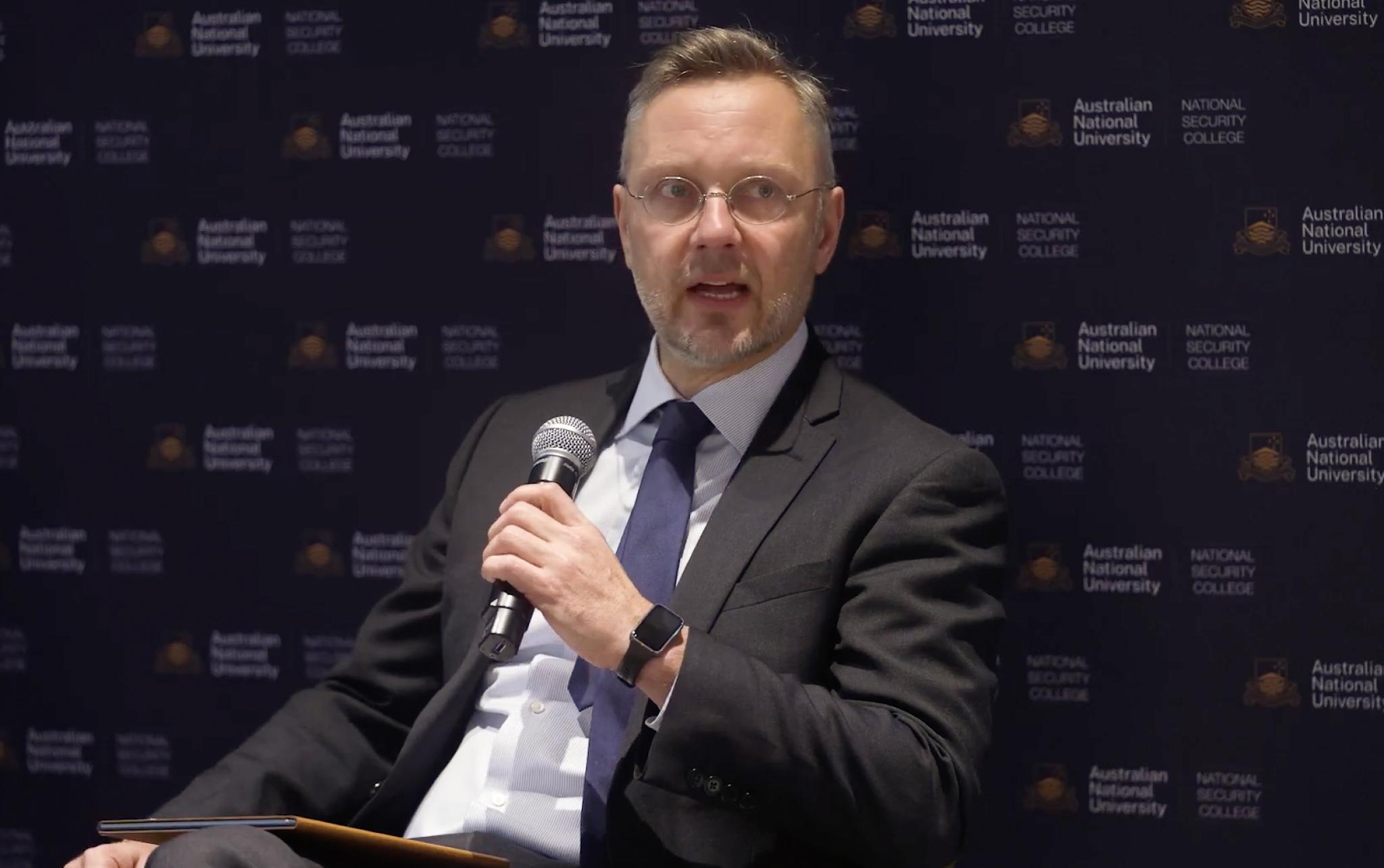
Minister King then joined a panel discussion moderated by NSC’s Sharryn Parker with ANU experts:
- Professor John Mavrogenes, Professor of Economic Geology at the ANU Research School of Earth Sciences and an internationally recognised expert on ore deposits and rare earths.
- Professor Llewelyn Hughes, Director of ICEDS, specialising in the political economy of the low-carbon transition and global clean energy supply chains.
- Dr Huw McKay, Visiting Fellow at the Crawford School of Public Policy and former Chief Economist at BHP
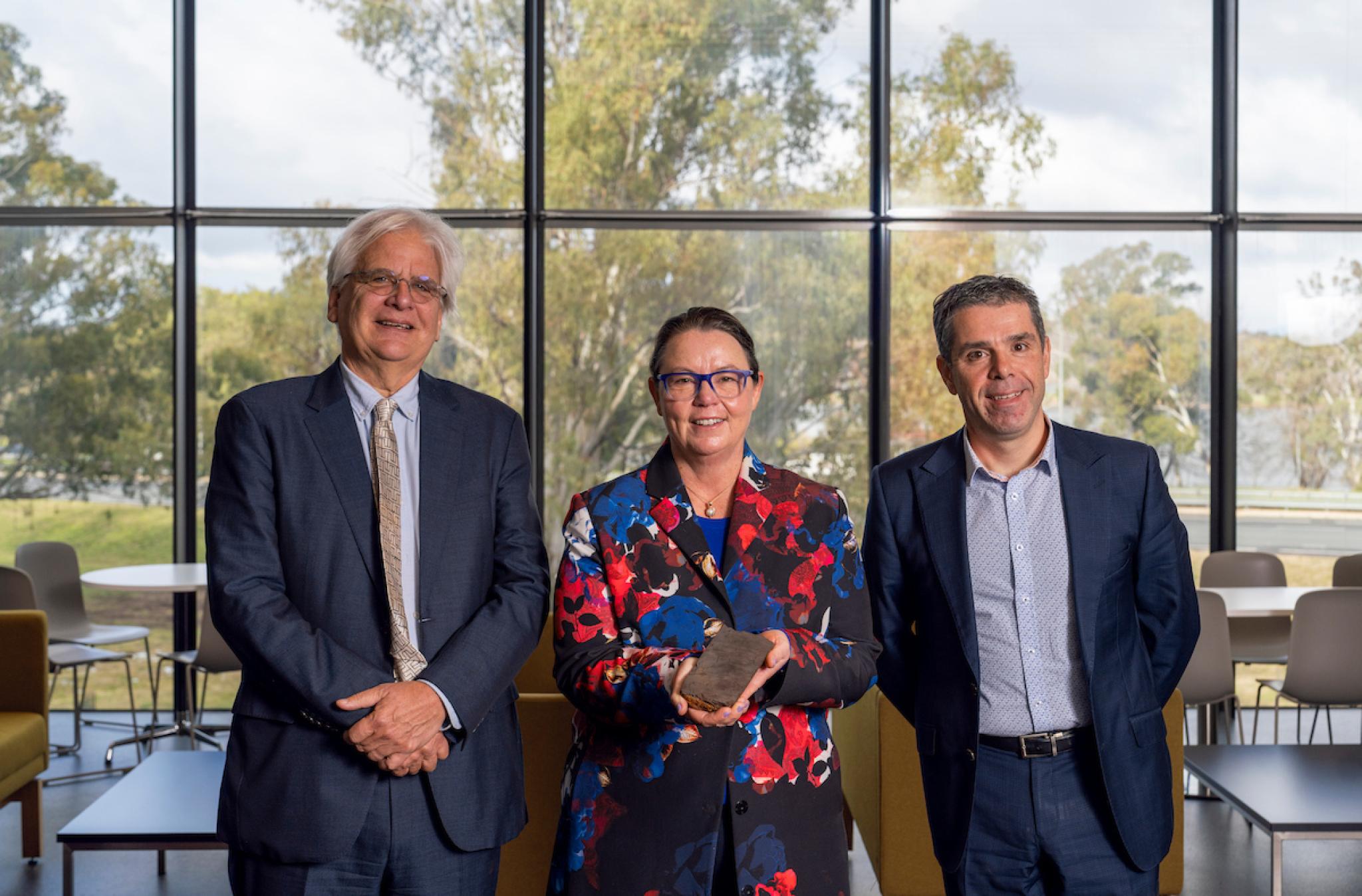
After the formal program, Minister King also received a briefing and demonstration from the OreAI team at ANU on the way materials are sourced, processed, used and recycled to support more environmentally, economically and socially sustainable outcomes.
Images from the event
Jamie Kidston/ANU
Jack Fox/ANU
Jamie Kidston/ANU
Jack Fox/ANU
Related content


03 Oct 2024
The National Security Podcast
The new oil: critical minerals, rare earths, and the clean energy transition
In this episode, Hayley Channer and John Mavrogenes join David Andrews to discuss critical minerals and rare earths and the geopolitical landscape surrounding them.