
Navigating belonging and identity: the experiences of female Central Asian migrants in Australia
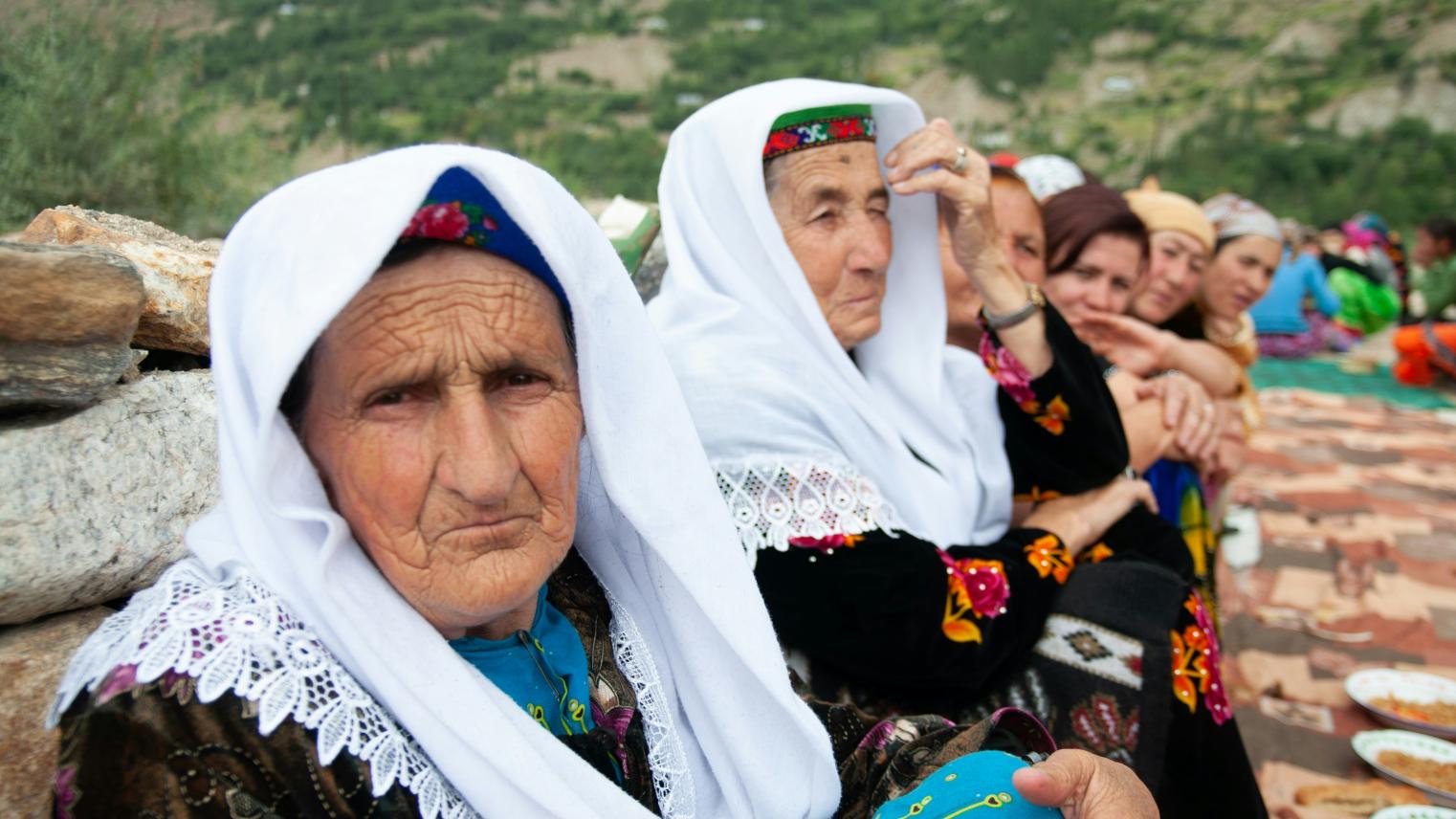
Joel Heard_Unsplash
This chapter analyses how female migrants from Central Asia negotiate belonging, identity, and adaptation in multicultural Australia. Through interviews with women from Kazakhstan, Kyrgyzstan, Tajikistan, Turkmenistan, and Uzbekistan, Ubaydullaeva shows that belonging is partial, conditional, and shaped by migrants’ expectations of safety, opportunity, and personal autonomy. Rather than assimilating completely, women tend to develop hybrid identities in which selected aspects of Australian social life overlay but do not replace their original cultural identities. The chapter addresses labour market challenges, intercultural adjustment, family expectations, and perceptions of inclusion. It fills a significant gap in migration scholarship by focusing on a small yet growing migrant group whose experiences highlight broader debates on multiculturalism and gendered migration.
Attachments
Related content

18 Apr 2024
The National Security Podcast
One and free: interests, values and national identity
In this episode, Zoe McKenzie, Allegra Spender, Wesa Chau, Asmi Wood and Afeeya Akhand join Ian Kemish to discuss the importance of Australian values, national identity, and social cohesion in guiding Australia’s strategic priorities.
17 Oct 2024
The National Security Podcast
The politics of migration, refugees and national security
In this episode, Alan Gamlen, Kate Ogg, and Dorota Gozdecka join Danielle Ireland-Piper to discuss "crimmigation”, why migration is a politically charged issue, and discuss High Court cases that have influenced Australia’s approach to migration and refugee laws.